Heart-Centered Living: The Connection Between Heart Health and Emotional Wellbeing
The Heart-Brain Connection: More Than Just a Metaphor
When we speak of “heartfelt” emotions or “following our heart,” we’re tapping into an ancient wisdom that modern science is only beginning to understand. The connection between heart health and emotional wellbeing isn’t merely poetic—it’s physiological, measurable, and profoundly important for our overall health.
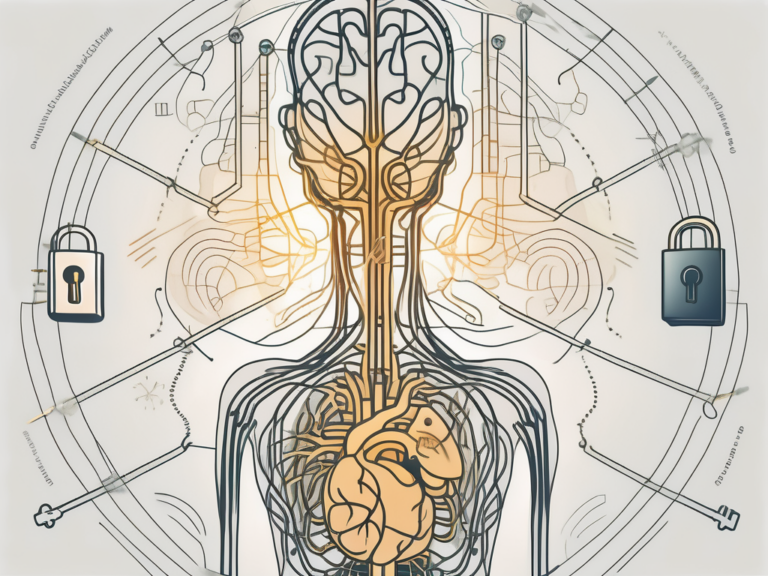
Research has revealed that the heart and brain communicate through multiple pathways, creating a bidirectional relationship that influences everything from our stress response to our ability to think clearly. This intricate connection explains why emotional states directly impact heart function and why cardiovascular health affects our mental clarity and emotional resilience.
Understanding Heart Coherence
Heart coherence represents a state of optimal function where the heart, mind, and emotions operate in harmonious alignment. During coherent states, the heart rhythm pattern becomes smooth and wave-like, reflecting a balanced nervous system and efficient physiological function.
When we experience positive emotions like appreciation, compassion, and love, our heart rhythm patterns naturally shift toward coherence. Conversely, negative emotions such as frustration, anxiety, and anger create erratic, disordered heart rhythms that signal stress to the entire body.
This coherent state isn’t just about feeling good—it has measurable benefits for cognitive function, emotional stability, and physical health. People who regularly achieve heart coherence report improved focus, better decision-making, and greater emotional resilience in challenging situations.
How Emotions Shape Your Heart Rhythm
Every emotion you experience creates a corresponding pattern in your heart rhythm. These patterns, visible through monitoring heart rate variability, provide a window into your autonomic nervous system and overall cardiovascular function.
Positive emotions generate smooth, ordered heart rhythm patterns that promote relaxation and recovery. These patterns signal safety to your brain, allowing your body to enter states of rest, repair, and regeneration. During these times, your immune system functions optimally, your digestion improves, and your body can heal more effectively.
Negative emotions, on the other hand, create jagged, irregular heart rhythms that trigger stress responses throughout the body. Chronic exposure to these patterns can contribute to inflammation, weakened immunity, and increased risk of cardiovascular disease. Understanding this connection empowers us to take active steps toward emotional regulation as a form of heart health maintenance.
The Vagus Nerve: Your Heart-Brain Highway
The vagus nerve serves as the primary communication channel between the heart and brain, carrying approximately 80% of information from the body to the brain. This remarkable nerve influences heart rate, digestion, immune function, and emotional regulation, making it central to the heart-brain connection.
Strong vagal tone—the measure of vagus nerve activity—correlates with greater emotional flexibility, faster recovery from stress, and better cardiovascular health. People with healthy vagal tone can shift more easily between states of alertness and relaxation, adapting smoothly to life’s demands.
The vagus nerve responds to various practices that promote calm and connection. Deep breathing, meditation, cold exposure, and positive social interactions all stimulate vagal activity, strengthening this vital communication pathway over time.
Practices for Heart-Centered Living
Cultivating heart-centered living involves daily practices that support both emotional wellbeing and cardiovascular health. These approaches work synergistically, creating positive feedback loops that enhance overall vitality.
Breathing Techniques
Slow, deep breathing activates the parasympathetic nervous system and stimulates the vagus nerve. Breathing at a rate of approximately six breaths per minute has been shown to optimize heart rhythm coherence. Practice extending your exhale slightly longer than your inhale to maximize the calming effect.
Gratitude and Appreciation
Focusing on feelings of genuine appreciation quickly shifts heart rhythms toward coherence. Keep a gratitude journal, or simply take moments throughout your day to acknowledge what you’re thankful for. The key is connecting with the feeling of gratitude, not just thinking grateful thoughts.
Meditation and Mindfulness
Regular meditation practice strengthens the neural pathways associated with emotional regulation and stress resilience. Exploring meditation for heart health can provide structured approaches to developing a sustainable practice. Even brief daily sessions produce cumulative benefits for heart and mind.
Physical Movement
Regular exercise supports both cardiovascular function and emotional health through multiple mechanisms. Movement releases endorphins, improves sleep quality, and enhances vagal tone. Choose activities you genuinely enjoy to make movement a sustainable part of your lifestyle.
Social Connection
Positive social interactions stimulate the vagus nerve and promote heart coherence. Meaningful conversations, physical touch, and feelings of belonging all contribute to heart health. Prioritize quality relationships as a form of cardiovascular care.
Measuring Heart Health Through HRV
Heart rate variability has emerged as one of the most valuable metrics for assessing overall health and stress resilience. Unlike simple heart rate, which measures beats per minute, HRV examines the subtle variations between heartbeats—variations that reveal the dynamic interplay of your autonomic nervous system.
Higher HRV generally indicates greater adaptability and resilience, while consistently low HRV may signal chronic stress, fatigue, or underlying health concerns. Tracking your HRV over time provides valuable feedback about how your lifestyle choices affect your heart-brain connection.
Modern wearable devices make HRV monitoring accessible to everyone. By establishing your personal baseline and observing how different factors influence your readings, you gain actionable insights for optimizing your wellbeing. Sleep quality, exercise, stress levels, and emotional states all leave their signature in your HRV data.
Embracing the Heart-Centered Path
Heart-centered living represents more than a health strategy—it’s a way of engaging with life that honors the profound connection between our physical hearts and our emotional experiences. By understanding and nurturing this connection, we support our cardiovascular health while cultivating greater emotional resilience and life satisfaction.
The practices that benefit our hearts—gratitude, mindful breathing, meditation, movement, and meaningful connection—also happen to be the practices that enrich our lives with purpose and joy. In this way, heart-centered living offers a path to wellbeing that integrates body, mind, and spirit into a coherent whole.
Start where you are, with whatever practice resonates most strongly. Small, consistent efforts compound over time, gradually strengthening your heart-brain connection and expanding your capacity for both physical vitality and emotional flourishing.